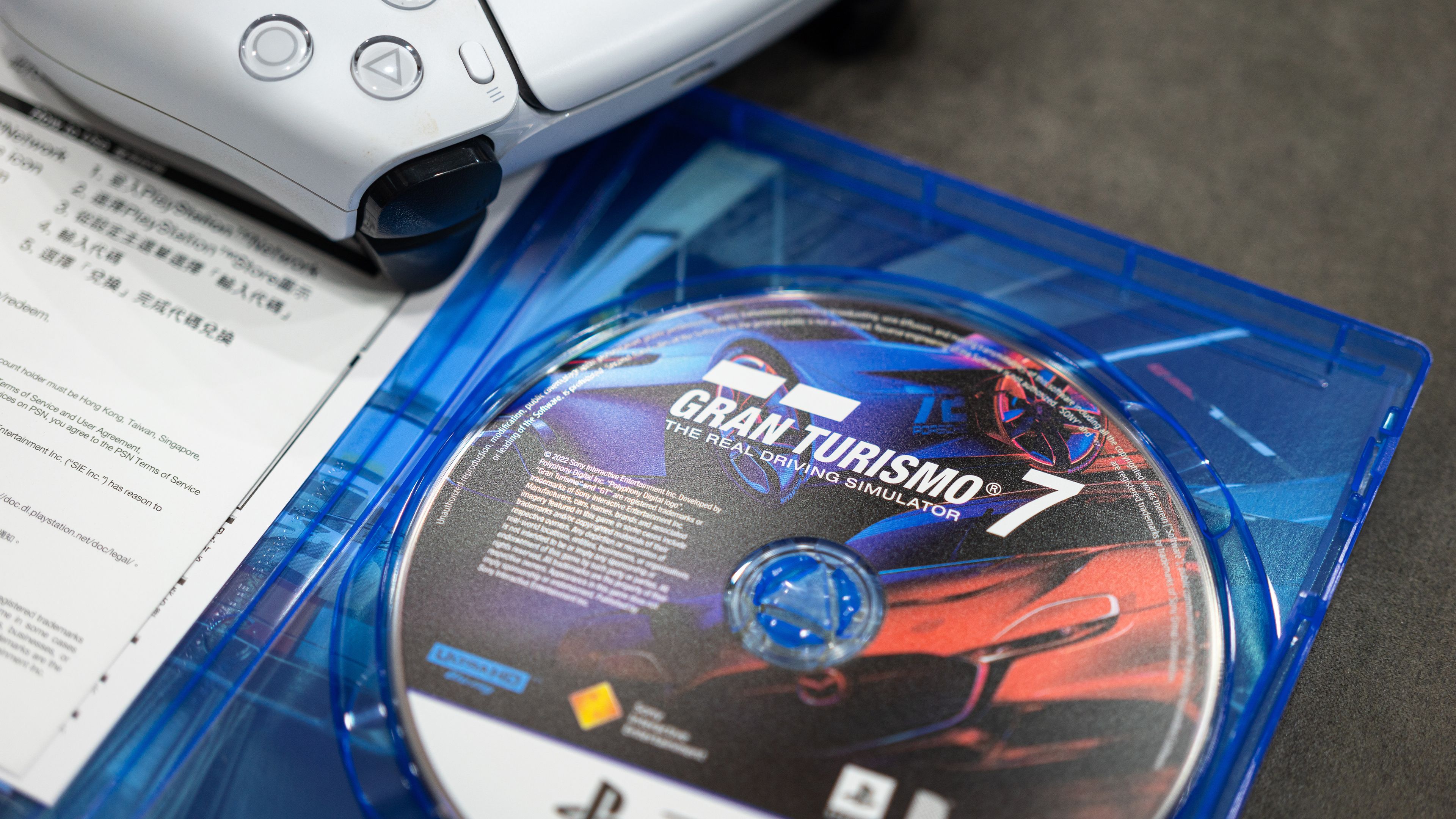
Over the last few weeks at TheGamer, we’ve extensively covered the laundry list of anti-consumer impacts that Sony ceasing physical game disc production will have come 2028. But one that keeps nagging at me is the effect it will have on the second-hand market.
Second-hand sales are not often accounted for in physical metrics, despite being one of the key ways that games are distributed. Flea markets, second-hand stores, eBay, the Facebook marketplace—the list goes on. There are countless avenues for purchasing second-hand games. Each of which ensures that there are more affordable options than digital. In an ecosystem without physical copies, if you want to purchase a game at a cheaper price, you’re beholden to sales, which are dictated entirely by PlayStation and publishers.
The second-hand market offers an alternative, which will be ripped away without discs. And unfortunately, analysts predict that next-gen leaving behind physical copies will have a huge knock-on effect on the second-hand market, possibly even shuttering it for good.
While there will still be retro and older games sold in the second-hand market, alongside Nintendo Switch cartridges, Morningstar director of equity research Kazunori Ito warned CNBC that brick and mortar stores will “keep shrinking and eventually disappear” without new PlayStation titles in circulation. Michael Futter, founder of the video game industry consultancy F-Squared, added that it’s “an extremely anti-consumer decision that has no legitimate justification and communicates a disdain for players in their ecosystem.”
The Second-Hand Market Could Be Worth $13.8 Billion By 2034, Despite Claims That A Digital Future Is Inevitable
Dataintelo estimates that the second-hand market, which includes not only physical games but consoles, accessories, and peripherals, is worth $7.2 billion, and will reach as high as $13.8 billion by 2034—showcasing how lucrative the physical market truly is. “Realistically, at least 1/3 of games have been sold historically as used, and the games that were sold used also provided currency to the gamer who traded them in as cash to pay for new games,” managing director of strategic planning at Wedbush Securities, Michael Pachter, said. "Brick and mortar game retail is doomed.”
Despite the money that second-hand markets pull in from physical sales, the push towards digital exclusivity has been framed as inevitable. It's hard to blame gamers for assuming the worst: that Sony is embracing digital not because it's more consumer-friendly and the logical next step, but because it makes no money from the second-hand market, and must pay a cut to physical retailers on every sale. Ultimately, phasing out discs means more money for PlayStation, ensuring that all purchases remain within its locked ecosystem.
To that end, killing the second-hand market will only make gaming even more expensive, when we’re already looking down the barrel of $1,000 next-gen hardware and $80 games. You cannot lend or re-sell a digital copy, as you do not truly own a digital copy—it’s a non-exclusive revocable license. Second-hand sales will continue in some form thanks to online retailers like eBay and Facebook Marketplace for older games. That’s undeniable. But the second-hand market for future releases will be non-existent, and that has damning consequences for gaming as a whole.