Deadlock matchmaking update adds unranked mode and significant Ranked Mode changes
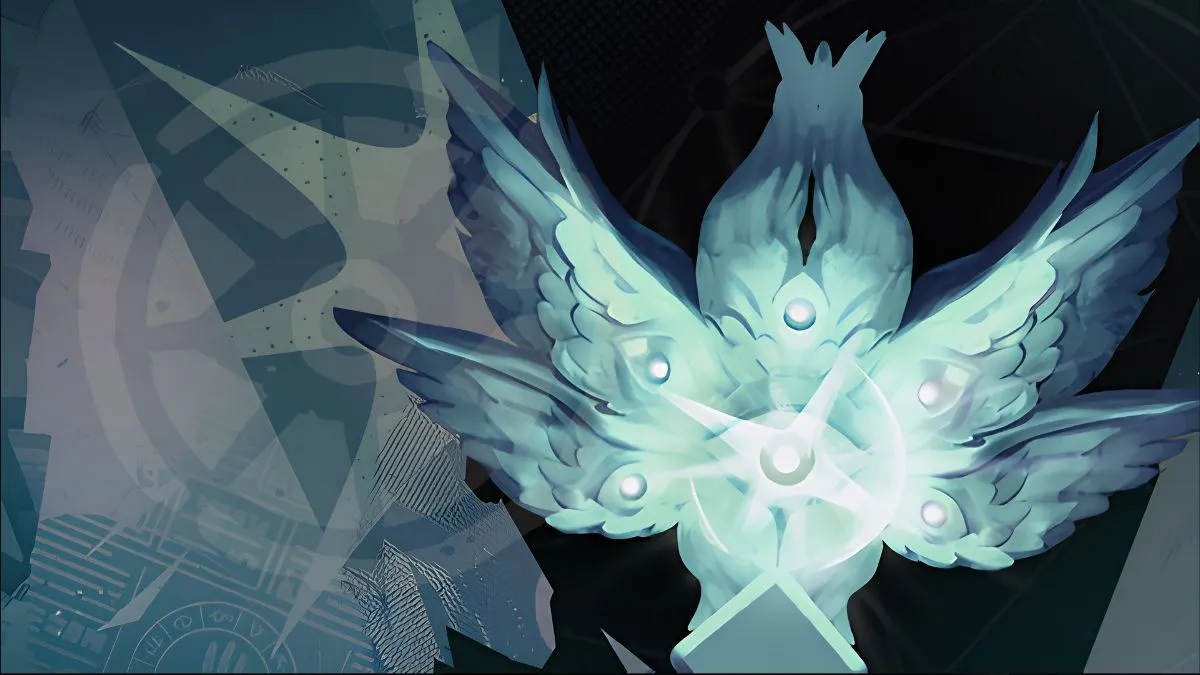
Here’s everything you need to know about the new matchmaking system in Deadlock.
For a long time, Valve’s Deadlock only offered Ranked matches–with the option to play in private lobbies and against bots, of course–but players never really had the option to wind down and enjoy a more relaxed online multiplayer experience. With the new matchmaking update, Deadlock launched the much-requested Standard Mode (unranked) while overhauling Ranked Mode, which introduced an updated Rank roster, new eligibility requirements, rank seasons and points, plus more nuanced matchmaking settings.
Deadlock
Release Date: TBA (currently available in beta)
Platforms: PC via Steam
Developer: Valve
How does Standard Mode work in Deadlock?
Standard Mode is an unranked mode where your match results do not affect your rank. It allows you to play without restrictions on party size or skill difference, meaning that you can queue with friends regardless of rank. It is also ideal for practising heroes, as matchmaking adjusts based on your experience with the specific hero you choose.
What are the new Ranks in Deadlock's Ranked Mode?
Deadlock has introduced a new set of Ranks in its matchmaking update (Image: Valve).Lo and behold, a new set of Ranks in Deadlock have arrived. The updated Ranks, from lowest to highest, are:
- Obscurus (Uncalibrated)
- Initiate (Brick)
- Seeker (Stone)
- Acolyte (Iron)
- Sentinel (Bronze)
- Mystic (Silver)
- Ritualist (Gold)
- Emissary (Platinum)
- Oracle (Diamond)
- Phantom
- Ascendant
- Eternus
Each Rank has six Subranks, from I to VI. This means you will need to climb from Initiate I to Initiate VI before being promoted to Seeker, and so on.
How to unlock Ranked Mode in Deadlock
Deadlock now requires you to earn at least 60 wins in Standard Mode before unlocking Ranked Mode. You must also have at least three heroes with 15 unranked match wins each. This is because Ranked Mode only allows you to select heroes that you have a "solid understanding" of to ensure higher quality games.
How to progress in Deadlock’s Ranked Mode?
To progress in Deadlock’s Ranked Mode, you must win matches to earn Rank Points, which comes at an estimated +/- 250 points depending on the matchmaker's expectations and win streaks. You need to earn 1000 Rank Points to progress to the next Subrank, but the final Subrank, which is the checkpoint before you get promoted to a new Rank, requires 2000 Rank Points to progress. This only applies to Ascendant and below, as once you reach Eternus (the highest rank) progression will be dynamically updated daily.
Losing will also be less stressful with the addition of Rank loss protection. When on the edge of demotion from a Rank (such as at Mystic I with 0 Rank Points), you will receive 5 games of loss protection. Meanwhile, when on the edge of demotion from a Subrank (such as Mystic III with 0 Rank Points), you will receive 2 games of loss protection.
Can you play as a party in Deadlock’s Ranked Mode?
Currently, Ranked Mode only supports solo or duo parties, with a maximum skill difference of one rank–for example, a Mystic player can queue with a Ritualist player but can’t queue with an Emissary player. Eternus players, highest-ranked players, are subject to stricter rules, as they can only queue with other Eternus players who are within three Subranks of their own.
The party restrictions may seem rather limiting at the moment, and the developers acknowledge this. However, they intend to adjust the system along the way.
How hero selection in Deadlock’s Ranked Mode works
One of the most interesting changes in this comprehensive matchmaking update is the addition of hero selection prior to entering a match. Deadlock now allows hero selection to happen “in advance of the game formation” so the matchmaker can assemble a team that lets “players get the hero they want.”
Valve cannot guarantee that the system will always work as intended, particularly during off-peak hours or in regions with lower player counts. As a result, players are allowed to swap heroes during the pre-match phase.
Deadlock Ranked seasons and how they work
A new (proper) Ranked season has arrived. The current season runs from now until 7 October, with future seasons expected to last longer and include breaks between them.
When a new season begins, your rank resets to Obscurus (Uncalibrated). Players who have previously calibrated will undergo a soft reset, requiring eight calibration matches. These matches also take your previous rank and past performance into account when determining your new rank. Players cannot queue in parties during calibration matches.
Your rank history page will display the highest medal you have achieved.
Deadlock Leaderboards enter the Hideout
If you want to admire the top players–or see if you’ve made it among Deadlock's best–you can visit the new Ranked hub in the Hideout. It features global Leaderboards, your rank history, and details of both current and previous Ranked seasons.
The Leaderboard eligibility has also received several changes. To appear on the global Leaderboard, you must have played at least 75 matches in the past 30 days, up from the previous requirement of 50 matches. For hero-specific leaderboards, you now need at least 100 lifetime wins with that hero to be considered.
How abandons and penalties work in Deadlock
The penalty system now includes dedicated “leaver penalties” designed to discourage players from abandoning matches. These penalties begin with matchmaking timeouts and escalate into increasing numbers of Low Priority matches. Players with active sanctions, such as Low Priority status or communication bans, cannot queue for Ranked matches.
Here’s how abandoning a match is penalised in Deadlock:
- If a player abandons a match within the first five minutes, the match is marked as safe to leave, and is voided for everyone except the leaver and anyone in their party. The leaver receives the appropriate penalties, and the match counts as a loss for both the leaver and their party.
- If a player abandons after five minutes, the leaver and their party receive leaver penalties, and the match counts as a loss for them. The remaining players on the leaver's team have their match voided and may leave without penalty. However, if they choose to stay and win, the match counts as a victory. If every remaining player on the abandoning team leaves, the match automatically ends and is recorded as a win for the opposing team.
- If you are on the opposing team, the match continues as normal. However, if a player on your team also abandons the match, they and their party are penalised in the same way, and the above rules then apply to your team as well. In this situation, none of the remaining players on either team will receive a loss, and a win is only awarded if your team completes and wins the match.
Various aspects of matchmaking have been revamped with this comprehensive update, but Valve has warned that the next few weeks may be a little rocky, as the team monitors how the changes play out. Players can likely expect a series of smaller patches and adjustments in the near future.